



Grid Resiliency Lab
University of South Carolina
The Grid Resiliency Laboratory focuses on the design, control, and validation of next-generation electric power systems capable of operating under high penetrations of inverter-based resources, distributed energy systems, and dynamic loads. The laboratory integrates power electronics, advanced control systems, cyber-physical security, and data-driven energy management to enhance the reliability, flexibility, and resilience of modern electric grids. Research activities span from converter-level hardware development to system-level modeling, optimization, and real-time experimental validation.
Our Mission

Resilient Grid Operation
Develop technologies that enable electric power systems to operate reliably under disturbances, faults, and dynamic conditions.

Grid Integration
Improving secure integration of DERs and ESS at MW power levels and MV through experimentally validated research that bridges theory, simulation, and hardware deployment.

Scalable Energy Solutions
Design and validate scalable solutions for industrial power systems and utility-connected infrastructure through real-time experimentation and deployment.
,,
,,,
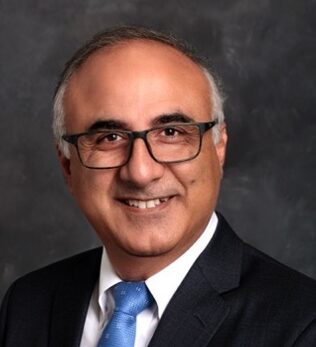
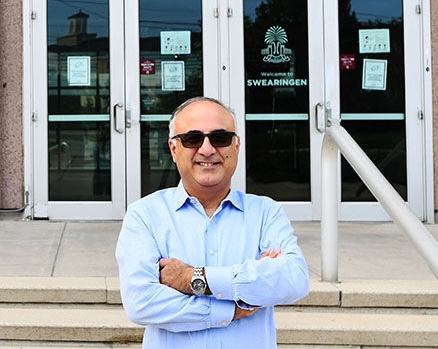
Adel Nasiri
Thomas L. Gregory Endowed Professor
Director and leader of the lab
The laboratory is led by Prof. Adel Nasiri, a Joint Appointee at the Savannah River National Laboratory, the lab conducts sponsored research programs with federal agencies and industry, advancing modular and scalable energy solutions.
Prof. Adel Nasiri joined the University of South Carolina (USC) in August 2021 after a 16-year tenure at the University of Wisconsin–Milwaukee (UWM). At UWM, he held several leadership roles, including Associate Dean for Research, Richard Grigg Jr. Professor, and Director of the Center for Sustainable Electrical Energy Systems. He also served as Site Director for the NSF Center on Grid-connected Advanced Power Electronic Systems (GRAPES) and Interim Executive Director of the Connected Systems Institute. Prior to his academic career, he worked in industry with ForHealth Technologies, Inc., and Moshanir Power Engineering Company. He has led numerous federally and industry sponsored research projects. His research focuses on high-power and high-voltage energy conversion, energy storage, and microgrids. Prof. Nasiri has published extensively in leading journals and conferences, holds seven patents, and has co-authored two books.
,,
Core Research Thrusts
Resilient, Modular Power Electronics and Medium-Voltage Converxsion
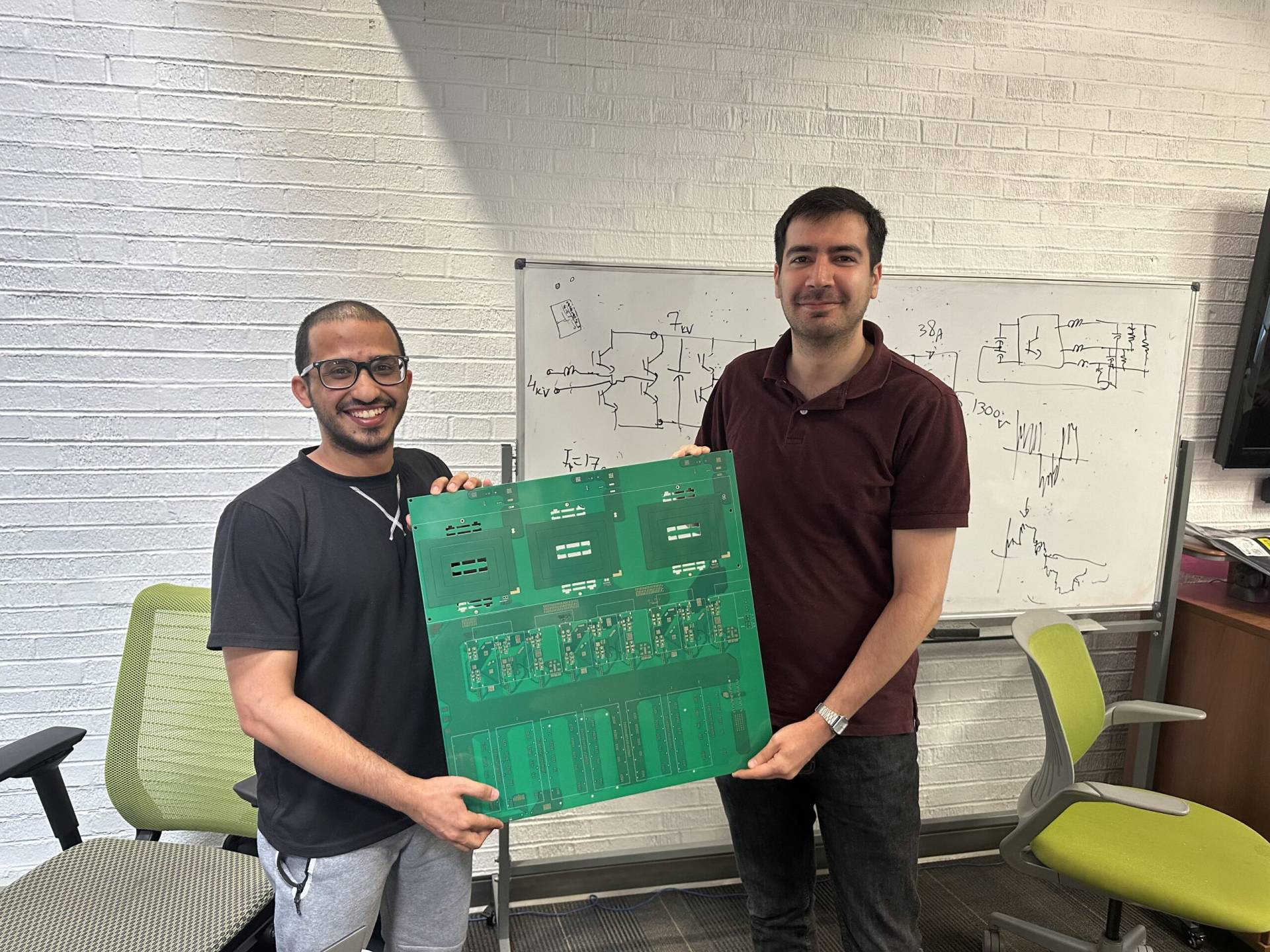
The laboratory develops grid-forming converters, solid-state transformer architectures, and medium-voltage power routing systems to support resilient operation of inverter-dominated grids. Research includes bidirectional MV converters, modular multilevel architectures, and hybrid AC/DC conversion systems for microgrids and distributed energy integration. Control strategies such as model-predictive control, adaptive droop, and virtual synchronous machine operation are designed to maintain stability under faults, weak-grid conditions, and dynamic loading. Hardware and controller designs are validated through large-scale simulation and hardware-in-the-loop testing to ensure robust operation across a wide range of scenarios.
AI-Driven Energy Management and System Optimization
The lab develops advanced algorithms for real-time coordination of distributed generation, storage, and flexible loads. Research includes reinforcement-learning-based energy management, stochastic optimal power flow, and predictive dispatch of distributed resources under uncertainty. These tools enable proactive grid operation by anticipating changes in load, generation, and system constraints. Integration of digital-twin environments with real-time control allows evaluation of operating strategies before field deployment, improving reliability and operational efficiency.
Cyber-Physical Security and Grid Resilience
The laboratory investigates vulnerabilities and mitigation strategies in cyber-physical power systems. Research focuses on secure communication architectures, control system robustness, and resilience under disturbances such as faults, load transients, and component failures. Particular attention is given to hybrid microgrids combining generators, converters, and long cable networks, where dynamic interactions can lead to instability, harmonic propagation, and synchronization challenges. Digital-twin platforms are used to analyze these phenomena and develop mitigation strategies that improve reliability and fault tolerance in both AC and DC microgrids.
Modeling, Simulation, and Digital Twin Platforms
A core capability of the laboratory is the development of high-fidelity modeling and digital-twin platforms for complex power systems. These tools capture interactions among generators, converters, cables, and loads, enabling analysis of stability limits, harmonic resonance, and transient behavior. Real-time simulation environments allow testing of control strategies under realistic operating conditions, including disturbances and rapid load changes. These capabilities support design and validation of resilient power systems for utility, industrial, and defense applications.
Experimental Infrastructure
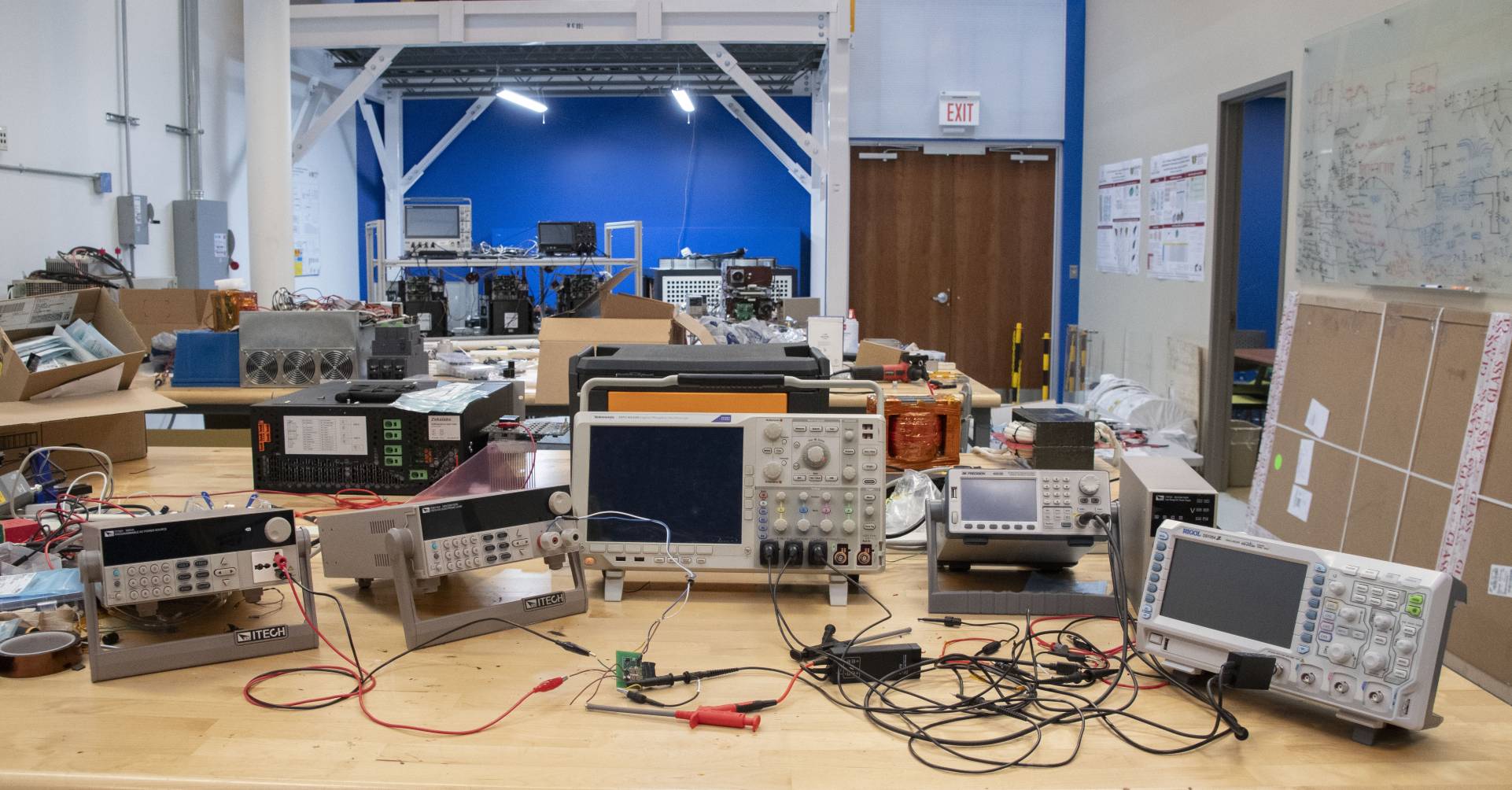
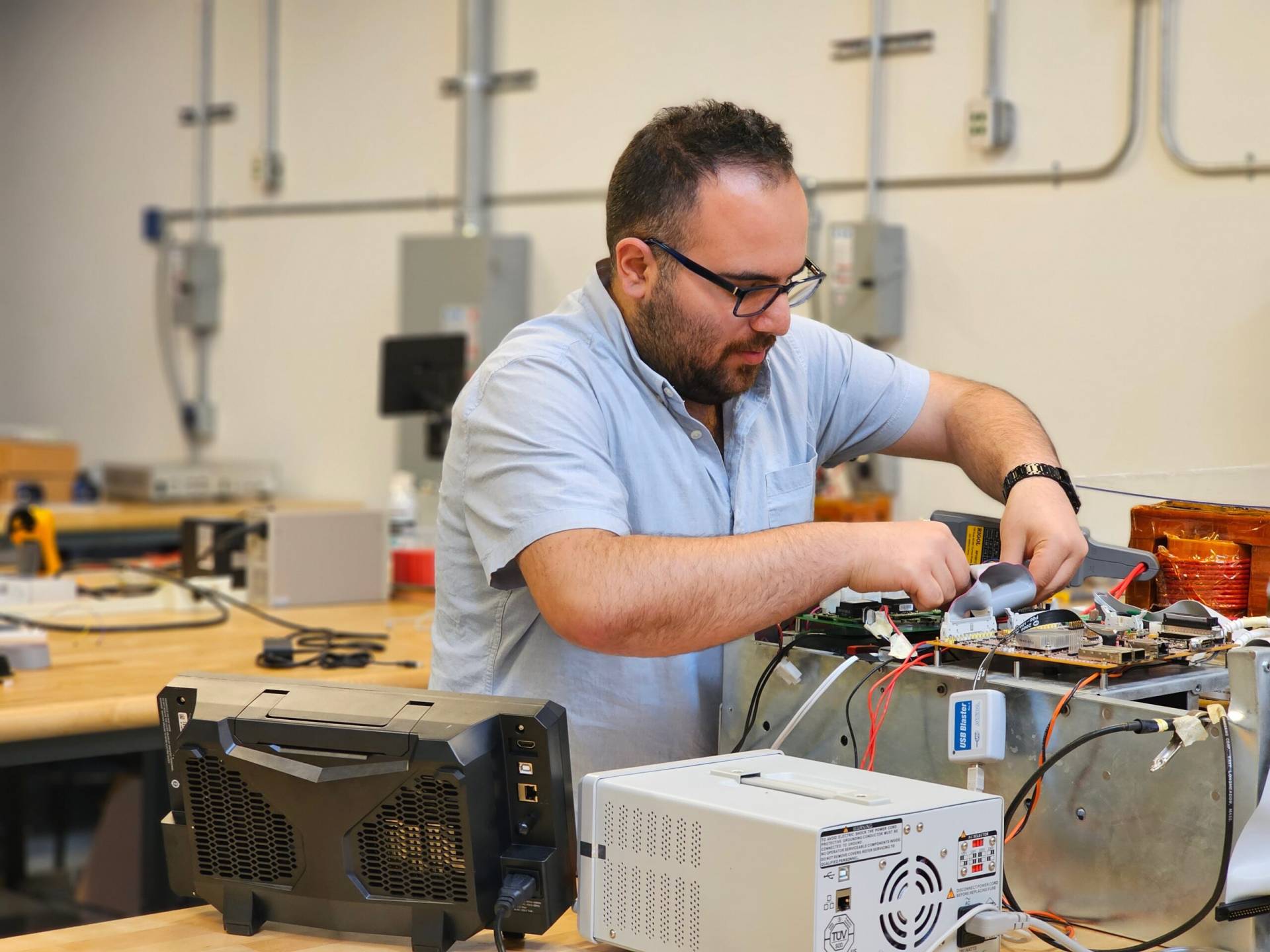
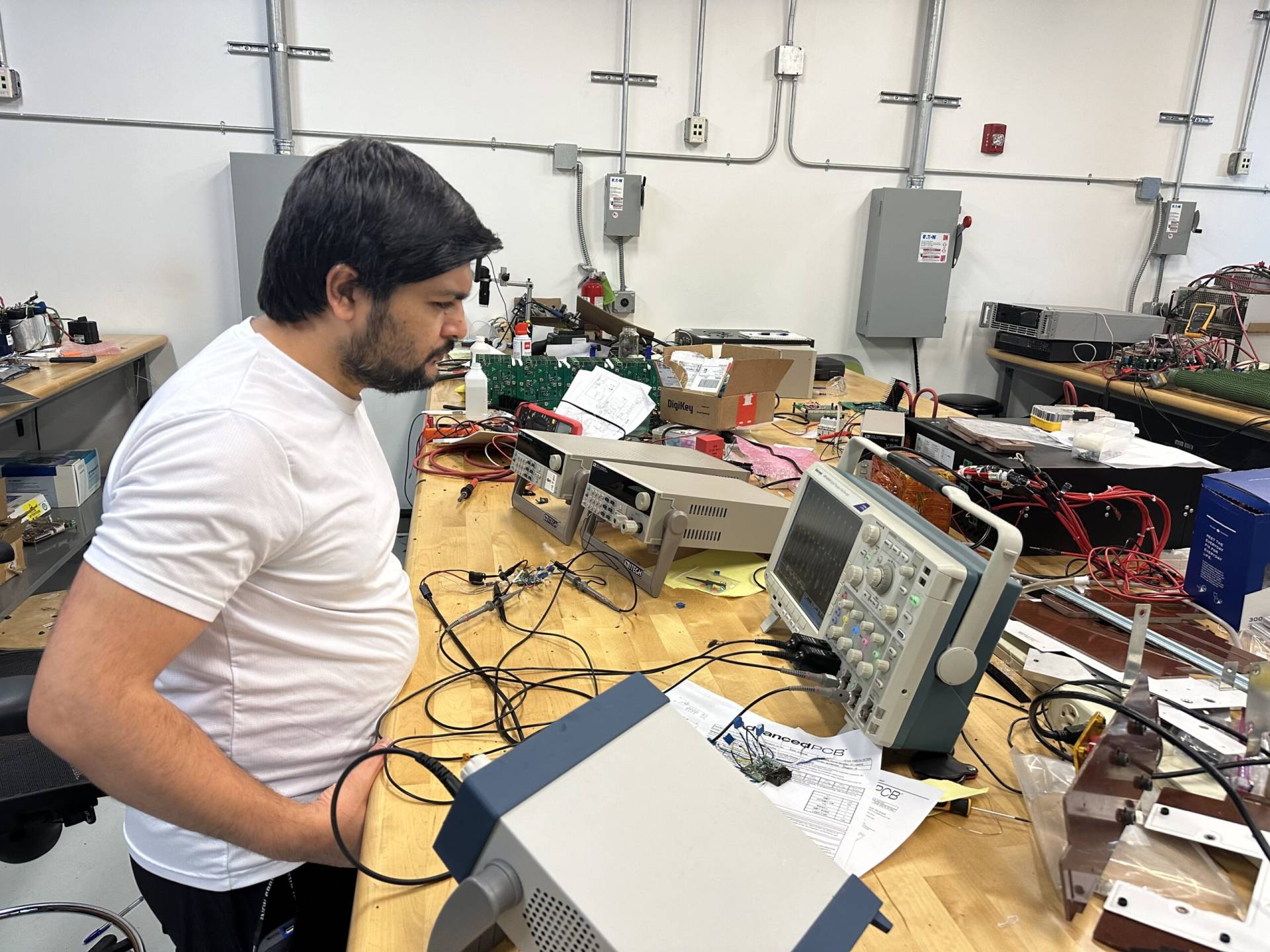
The laboratory maintains a comprehensive, unique platform for validation of power electronics, control systems, and grid-integration technologies. Facilities include variable MV sources, MV converter testbeds, hardware-in-the-loop systems, digital real-time simulation platforms, and microgrid control hardware/software. These systems enable evaluation of modular and MV converters, grid-forming controls, energy-management algorithms, and resilience strategies under realistic conditions. Integration of simulation and hardware testing ensures that research outcomes are both theoretically sound and practically deployable.
Applications and Ongoing Work
Research activities address a range of applications relevant to national laboratories and energy-resilience initiatives, including:
– Hybrid microgrids for critical infrastructure
– Digital twin of electrical assets e.g. generators, converters, batteries, and systems
– Medium-voltage power routing and solid-state transformation
– Data-center and industrial power systems
– Military and remote microgrid resilience
– Distributed energy resource coordination and optimization
Current efforts emphasize scalable solutions that improve grid stability, enable flexible operation, and reduce vulnerability to disturbances.
Collaboration Opportunities
The Grid Resiliency Laboratory is open to collaborations with sponsors in various areas including:
– Medium-voltage converter and power routing systems
– Digital twins, hardware-in-the-loop, and experimental validation
– AI-enabled energy management and system optimization
– Grid resilience and cyber-physical security
– Hybrid microgrid modeling and validation
Our Recent Works
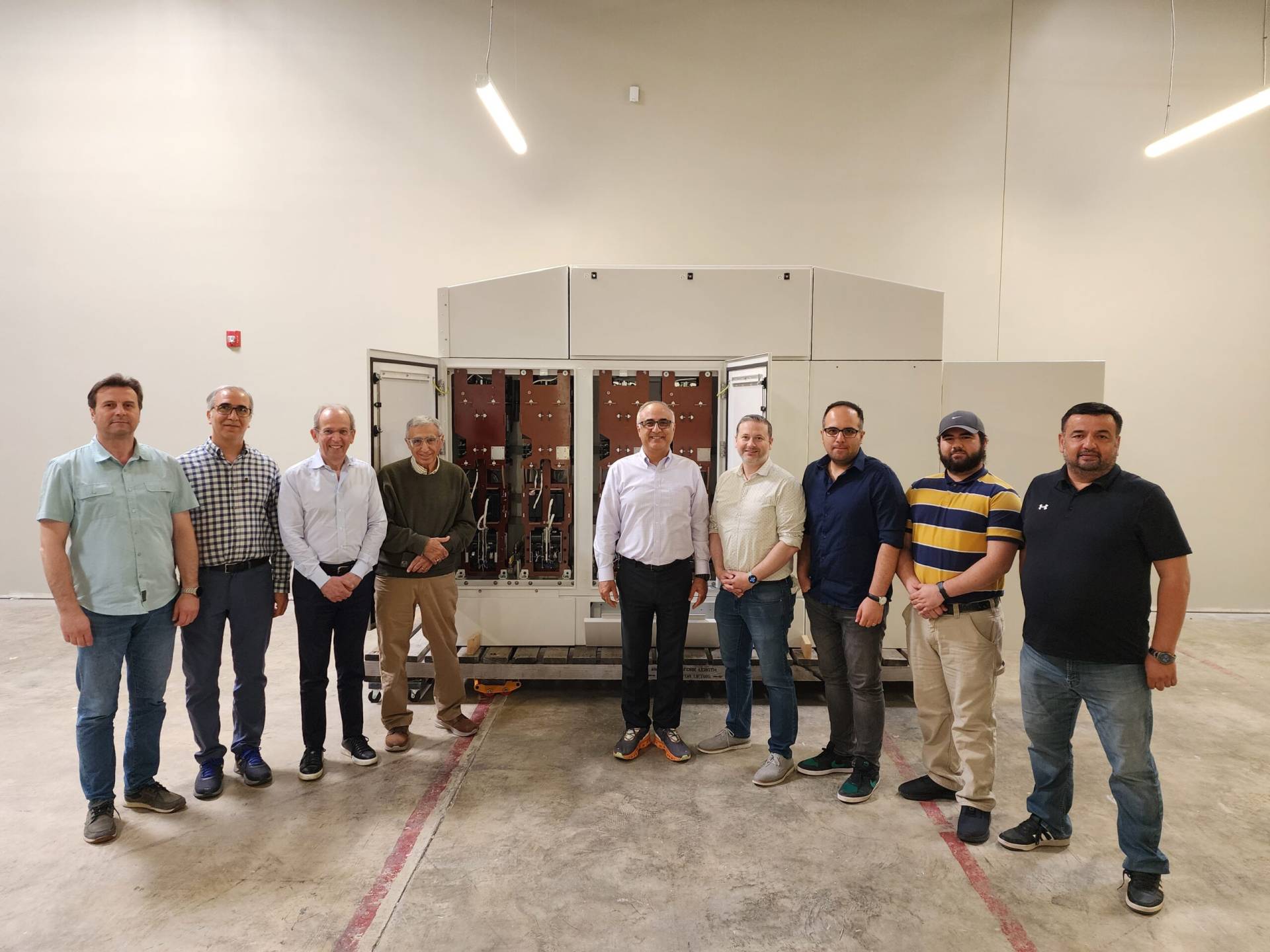
It only took three years, but we finally did it! We successfully connected the pad-mounted medium voltage transformer, enabling us to generate 13.8kV AC voltage in the lab. This setup allows us to vary the AC voltage from zero to 13.8kV for developing and testing medium voltage (15kV class) megawatt power converters. Currently, we are using this for a megawatt semi-truck charging system, and soon, we will develop and test megawatt-scale Sodium-Ion battery inverters.

From Research to Real-World Impact: Phenogy Establishes U.S. HQ in Columbia
Our team’s expertise, experience, and state-of-the-art facilities in developing megawatt and medium-voltage converters for energy storage systems were key factors in Phonegy’s (https://www.phenogy.com) decision to establish its U.S. headquarters in Columbia, SC (https://lnkd.in/eZ6jUfZ2). We are excited to collaborate with this innovative company on energy conversion systems for MW-scale Sodium-Ion batteries.

Address: 1000 catawba st columbia sc